Namibia’s Journey to First Oil: From Vision to Action in a Transformational Energy Era


This article has been supplied.
By: Ndapwilapo Selma Shimutwikeni - Energy and Natural Resources Advisor and Convenor of the Namibia International Energy Conference (NIEC)
The Namibia International Energy Conference (NIEC) 2026, held recently in Windhoek under the theme “The Road to First Oil and Beyond,” demonstrated that Namibia’s long-envisioned energy future is now actively unfolding.
Concluding after three days of high-level engagement, the conference brought together over 1,000 delegates from 46 countries and more than 400 companies, reinforcing Namibia’s growing stature as a globally relevant energy player. Discussions throughout the event focused not only on the imminent reality of first oil but also on the policy renewal, tactical alignment, and partnerships required to ensure long-term national benefit.
After decades of geological exploration, regulatory preparation, and calculated investment, Namibia stands on the threshold of commercial petroleum production. Yet what emerged clearly from NIEC 2026 is that first oil is not the destination—it marks the beginning of a far wider economic and industrial transformation.
From Preparedness to Policy Renewal
Namibia’s journey has always been defined by foresight and intentional action. From early geological investigations in 1991 to the establishment of the Petroleum (Exploration and Production) Act and institutions such as PetroFund, the country laid its foundations well before major hydrocarbon discoveries were confirmed.
At NIEC 2026, this legacy of preparation evolved into a new phase: policy modernisation.
In her keynote address, President Netumbo Nandi-Ndaitwah reaffirmed the government’s commitment to aligning the hydrocarbons sector with Vision 2030 by developing a modern, enabling regulatory framework. As she noted, today’s realities demand systems that reflect current technologies, global industry practices, and Namibia’s national ambitions.
The modernisation of Namibia’s hydrocarbons regulatory and institutional framework, as emphasised at the conference, is not merely a legislative exercise—it is essential to guarantee competitiveness, institutional readiness, and sustainable value creation. In this context, the President further highlighted the importance of mutually beneficial partnerships grounded in trust, alongside a clear commitment to ensuring national development through robust local content participation. This approach reflects Namibia’s broader national objective of advancing economic transformation through value addition, job creation, and inclusive growth—ensuring that the country’s natural resources deliver long-term prosperity for all Namibians.
The Orange Basin and Accelerated Momentum
The Orange Basin continues to position Namibia at the forefront of global energy exploration. With accelerated upstream activity and growing investor confidence, the sector is rapidly moving from discovery to development. This momentum is further underscored by the anticipated Final Investment Decision (FID) on the offshore Venus project by mid-2026, as indicated by TotalEnergies—marking a defining milestone in Namibia’s transition from exploration success to commercial production. The project, while technically complex, is expected to be transformative, with the potential to drive economic growth, generate employment, and significantly increase government revenues.
However, as highlighted throughout NIEC, resource potential alone does not define success. Namibia’s credibility has been built over decades of policy consistency, institutional strength, and investor confidence, setting it apart as one of the most stable and predictable emerging energy markets globally. These qualities continue to attract global industry leaders, including Chevron, Shell, TotalEnergies, Galp, Azule Energy and others, who are actively participating in the country’s energy evolution.
Importantly, Namibia’s energy potential extends well beyond the Orange Basin. Other basins, including Lüderitz and Walvis, also present significant potential, reinforcing a diversified basin portfolio that strengthens Namibia’s long-term exploration and production outlook and overall energy resilience.
As activity progresses, attention is increasingly turning to execution—advancing infrastructure readiness, financing frameworks, and project timelines required to support commercial production and long-term sector viability.
The Power of Platforms and Partnerships
A defining outcome of NIEC 2026 was the confirmation that energy development cannot proceed in isolation.
The conference emphasised the need for alignment between government and industry, investors and regional enterprises, and Namibia within the wider African energy landscape, positioning the country as a strategic energy partner within SADC and a key contributor to regional energy security. Collaborative partnerships and investment mobilisation emerged as central themes across panel discussions and technical sessions.
Following past formal engagements, the conference highlighted a deeper truth: the transformative power of platforms.
As emphasised in the closing remarks, platforms such as NIEC do more than convene conversations—they create connections, open opportunities, and mould industries. This was evident not only in the scale of participation but also in the quality of dialogue and the concrete collaborations formed.
Beyond Oil: Building a Durable Energy Future
Importantly, Namibia’s vision reaches beyond hydrocarbons.
NIEC 2026 reinforced the country’s commitment to a diversified energy strategy encompassing natural gas, renewable energy, and emerging technologies. Discussions explored key themes, including avoiding excessive dependence on a single resource, local content development, applying digital innovation, including AI, in reservoir engineering, and strengthening regional energy coordination.
This balanced approach reflects a clear understanding: sustained resilience depends on diversification, adaptability, and forward-looking policy systems.
Investing in People and Inclusive Growth
Central to Namibia’s energy future remain its people. The conference placed strong emphasis on skills development, youth empowerment, and the inclusion of women in leadership roles. Initiatives such as the Future Energy Leaders Legacy Programme continue to play a vital role in preparing the next generation of energy professionals.
Equally important was the emphasis on ensuring that the benefits of resource development are broadly shared, with a strong focus on local content participation, supply chain integration, and building competitive Namibian enterprises across the energy value chain.
Namibia has a rare opportunity—not only to become an energy producer—but also to establish a benchmark for responsible, inclusive, and diversified resource development.
A Defining Moment for Namibia and Africa
Now in its eighth edition, NIEC has cemented its standing as a key fixture on the global energy calendar. The launch of the inaugural Energy Excellence Awards at this year’s conference further underscored the sector’s maturity and its pledge to recognise innovation and achievement.
As Namibia stands on the cusp of first oil, the outcomes of NIEC 2026 reinforce a clear message: success will depend on cohesive policy reform, strong partnerships, sustained investment, and a firm national vision.
The scale of the opportunity ahead cannot be realised in silos. It requires trust, collaboration, and deliberate action.
Namibia’s journey presents something even greater than resource potential—it offers a model. A model for how a country can transform opportunity into lasting impact, and how Africa can lead in shaping its own energy future.
As the conference concluded, one message rang out clearly: the focus now shifts from dialogue to delivery—translating momentum into tangible outcomes that will define Namibia’s energy future for generations to come.
Article Enquiry
Email Article
Save Article
Feedback
To advertise email advertising@creamermedia.co.za or click here
Research Reports

Projects

Latest Multimedia
Latest News
Showroom
Sweet-Orr, established in 1871, is a global leader in superior protective workwear, known for quality, innovation, and performance.
VISIT SHOWROOM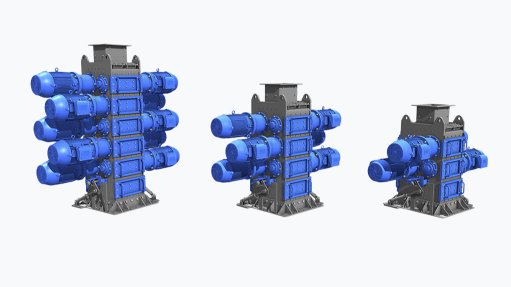
Energy and Densification Systems (EDS) has developed equipment for crushing, milling, blending and densifying products. Based on its globally...
VISIT SHOWROOM

Announcements
What's On
Subscribe to improve your user experience...
Option 1 (equivalent of R125 a month):
Receive a weekly copy of Creamer Media's Engineering News & Mining Weekly magazine
(print copy for those in South Africa and e-magazine for those outside of South Africa)
Receive daily email newsletters
Access to full search results
Access archive of magazine back copies
Access to Projects in Progress
Access to ONE Research Report of your choice in PDF format
Option 2 (equivalent of R375 a month):
All benefits from Option 1
PLUS
Access to Creamer Media's Research Channel Africa for ALL Research Reports, in PDF format, on various industrial and mining sectors
including Electricity; Water; Energy Transition; Hydrogen; Roads, Rail and Ports; Coal; Gold; Platinum; Battery Metals; etc.
Already a subscriber?
Forgotten your password?
Receive weekly copy of Creamer Media's Engineering News & Mining Weekly magazine (print copy for those in South Africa and e-magazine for those outside of South Africa)
➕
Recieve daily email newsletters
➕
Access to full search results
➕
Access archive of magazine back copies
➕
Access to Projects in Progress
➕
Access to ONE Research Report of your choice in PDF format
RESEARCH CHANNEL AFRICA
R4500 (equivalent of R375 a month)
SUBSCRIBEAll benefits from Option 1
➕
Access to Creamer Media's Research Channel Africa for ALL Research Reports on various industrial and mining sectors, in PDF format, including on:
Electricity
➕
Water
➕
Energy Transition
➕
Hydrogen
➕
Roads, Rail and Ports
➕
Coal
➕
Gold
➕
Platinum
➕
Battery Metals
➕
etc.
Receive all benefits from Option 1 or Option 2 delivered to numerous people at your company
➕
Multiple User names and Passwords for simultaneous log-ins
➕
Intranet integration access to all in your organisation